Dedicated to Altering Plantation Archaeology Narratives
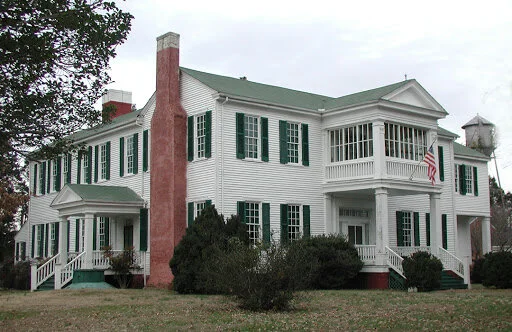
History of Ames:
In 1901, Hobart Ames established the Ames Plantation land base as a hunting preserve and agricultural center. The land served as a means for Mr. Ames to retreat from his busy life in Massachusetts, where he worked as an industrialist. The land base is made up of numerous different antebellum plantations, and covers more than 18,400 acres of West Tennessee land in Fayette and Hardeman Counties.
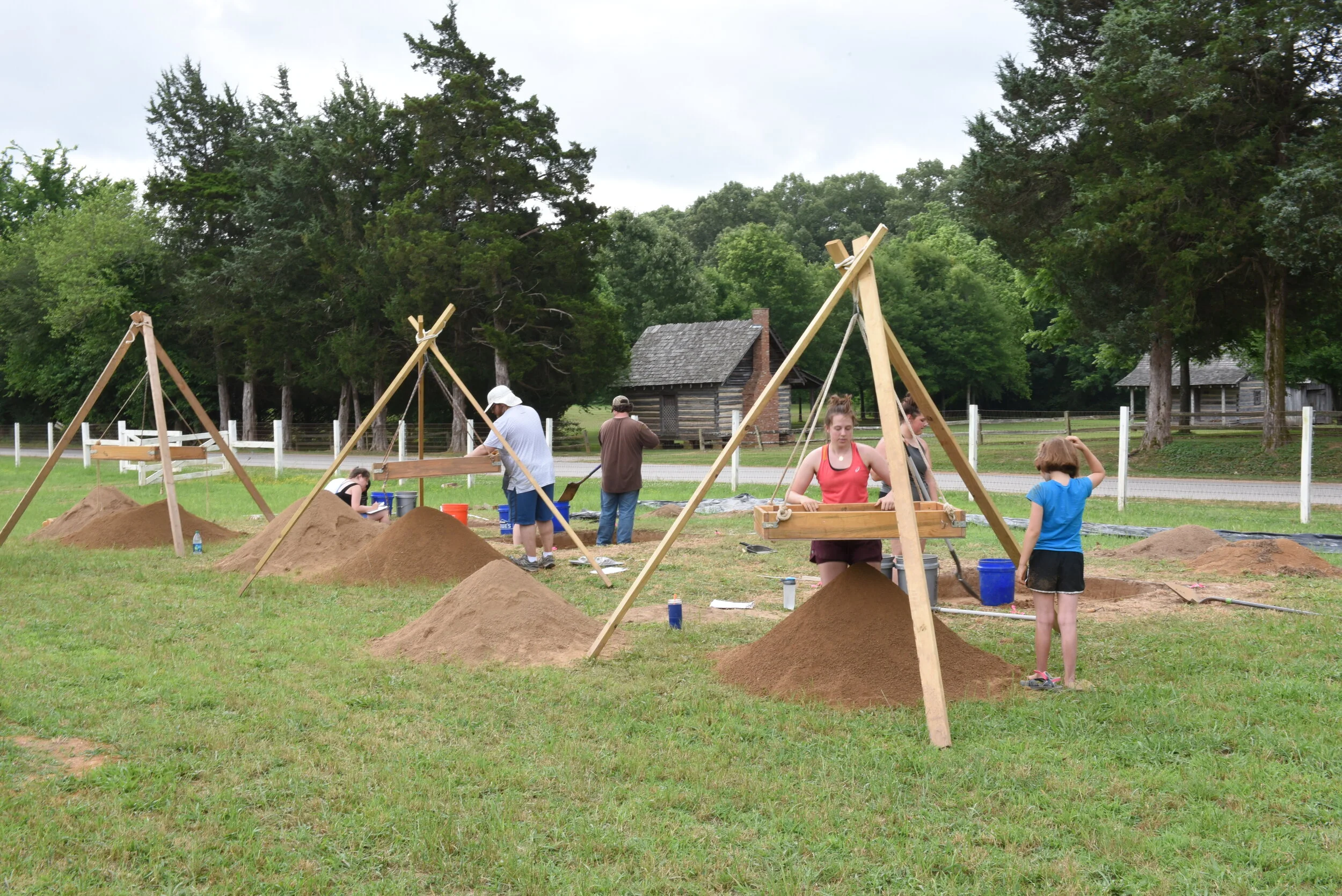
History of Our Partnership:
In 2007, Rhodes College faculty and students began archaeological investigations at Ames Plantation. Dr. Kasper has led environmental archaeological field seasons at Ames since 2012. We focus on excavating enslaved African American houses in an effort to shift the focus of plantation archaeology from the enslavers to the enslaved. Additionally, we hope that the material culture found can help to fill archival gaps and reflect the humanity of the people enslaved on these antebellum plantations.
Our Environmental Archaeology Field School:

Our annual Environmental Archaeology Field School allows for Rhodes students to utilize the scientific methods of archaeology to better understand the historical realities of the American South.
Additional Community Stakeholders:

Mr. Dwight Fryer
Mr. Fryer is an ordained minister, published author, and history enthusiast. He has focused his written works on the history of racial oppression in the United States and the legacy of slavery. Learn more about Mr. Fryer and his work here.
Mr. Fryer is a member of the descendent community in Grand Junction, TN and has grown up with family histories and folk lore that prove imperative to our understandings of the archaeological environments we are investigating.